
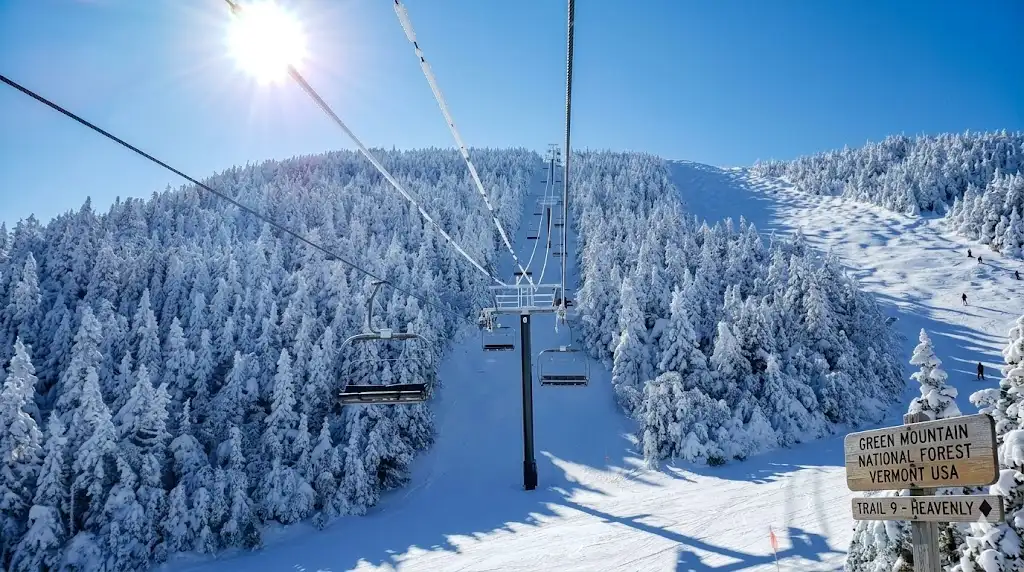
17 Best Things to Do in Green Mountain National Forest Vermont USA (Maps, Trails, Camping & Travel Guide)
Green Mountain National Forest Vermont USA is one of the best places in New England if you want real outdoor beauty, not just a quick roadside view. It gives you tall mountains, deep forests, waterfalls, hiking trails, camping spots, wildlife, and some of the best fall colors in the state.
If you are searching for green mountain national forest vermont usa or green mountain national forest vermont, you probably want simple trip planning help. You want to know what it is, where it is, how to get there, and what you can actually do once you arrive. That is exactly what this guide covers.
This forest is a great choice if you like:
- Hiking on famous trails like the Long Trail and Appalachian Trail
- Camping in quiet forest areas
- Scenic drives with mountain views
- Wildlife watching for moose, deer, black bears, and birds
- Fall foliage that looks amazing in September and October
One thing to know early is that this is not a national park. It is a national forest managed for recreation, conservation, and public use. That matters because the rules, road access, and trail network feel different from a park. You can do more here, but you also need to plan a little better.
If you are making a Vermont trip plan, Green Mountain National Forest is one of the strongest outdoor stops in the state. It works for weekend travelers, hikers, campers, photographers, and anyone who wants a real Vermont nature experience.
You may also like : Thean Hou Temple Kuala Lumpur Malaysia
Table of Contents
What is Green Mountain National Forest?
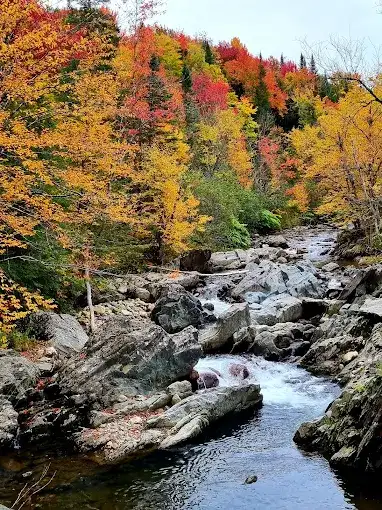
Green Mountain National Forest is a large public forest in Vermont, USA, covering about 400,000 acres in the Green Mountains. It is managed by the US Forest Service and is known for hiking, camping, wildlife, scenic drives, waterfalls, and fall foliage. It is one of the top outdoor destinations in Vermont.
Overview of Green Mountain National Forest Vermont USA
Green Mountain National Forest sits in the heart of Vermont’s mountain country. It stretches across central and southern parts of the state, with thick woods, high ridges, river valleys, and many trailheads.
If you are looking at green mountain national forest vermont usa, think of it as a large outdoor playground with a very Vermont feel. You will find:
- Dense hardwood forests
- High mountain ridges
- Deep green valleys
- Cold streams and waterfalls
- Small towns nearby with local food and lodging
A lot of visitors come here for hiking and leaf peeping, but the forest gives you more than that. It also has quiet campgrounds, backcountry sites, fishing spots, and winter recreation.
If you are wondering about a national park in Vermont, this forest is often part of that search, but it is important to know the difference. A national forest is open for more kinds of use, and it often feels less crowded than a national park.
Size, Location, and Key Features
Green Mountain National Forest covers roughly 400,000 acres. That is a huge area, so do not expect one single entrance or one main visitor site. It is spread out across many roads, towns, and trail networks.
Some of the best-known features include:
- The Long Trail, which is the oldest long-distance hiking trail in the United States
- A section of the Appalachian Trail
- Popular waterfalls like Lye Brook Falls and Thundering Brook Falls
- Quiet waters like Equinox Pond
- Developed camping spots and backcountry sites
- Strong wildlife habitat for moose, deer, coyotes, birds, and black bears
The forest is also important because it protects a wide mix of Vermont land types. You get both deciduous forests with colorful hardwoods and coniferous areas with evergreen trees. That mix is part of why the forest looks beautiful in every season.
Who Manages the Forest (US Forest Service)
The US Forest Service manages Green Mountain National Forest. That means the agency handles:
- Trail maintenance
- Road and access updates
- Campground rules
- Fire safety warnings
- Wildlife and habitat protection
- Visitor information
This is useful to know because conditions can change fast in a forest like this. Roads can close, trails can get muddy, and fire danger can rise in dry weather. Before you go, check the official forest updates, maps, and alerts.
A good rule is simple: plan ahead, save offline maps, and check current conditions before you leave. That will save you time and make the trip much easier.
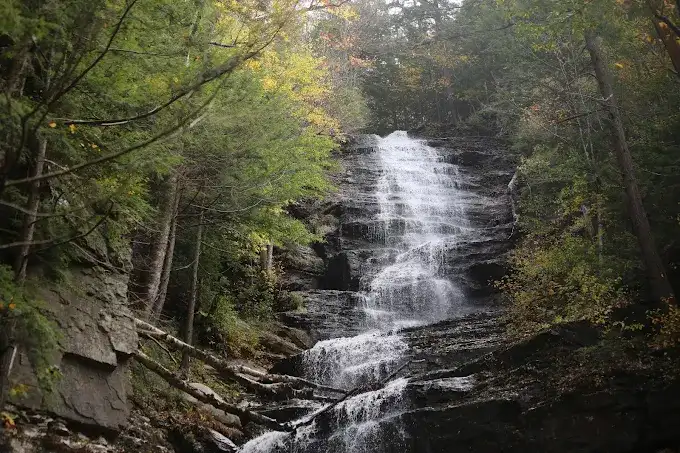
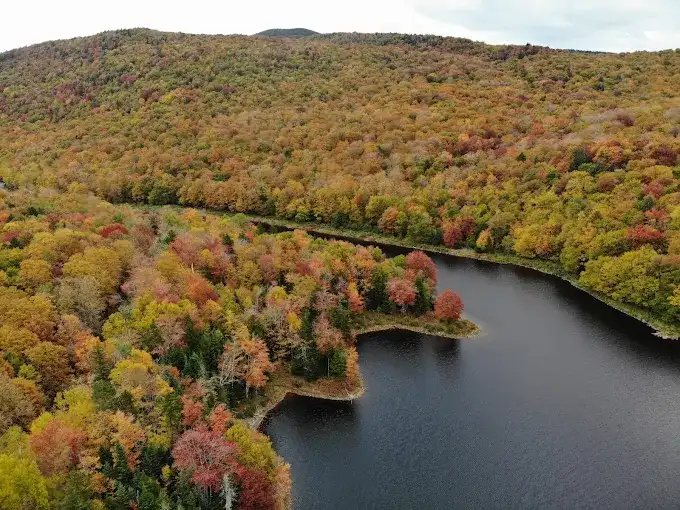
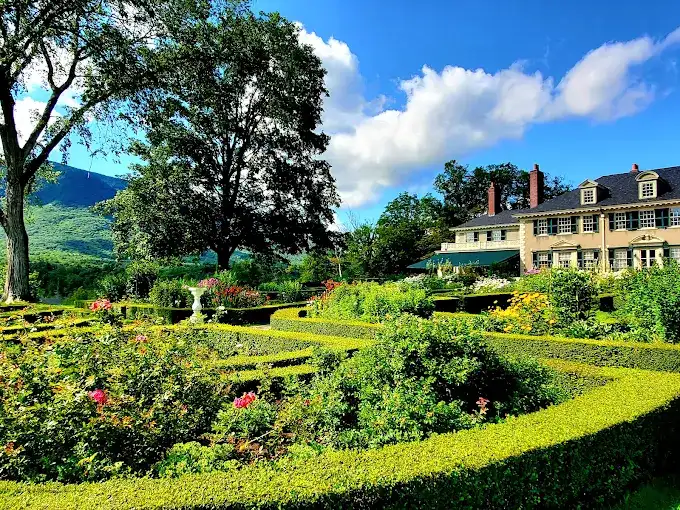
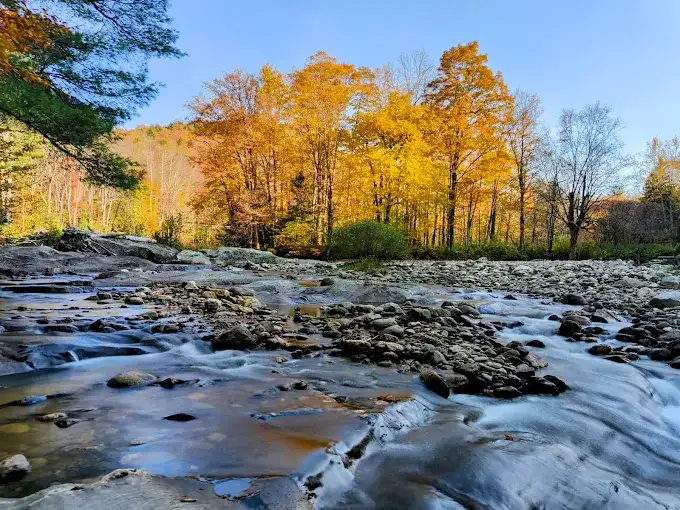
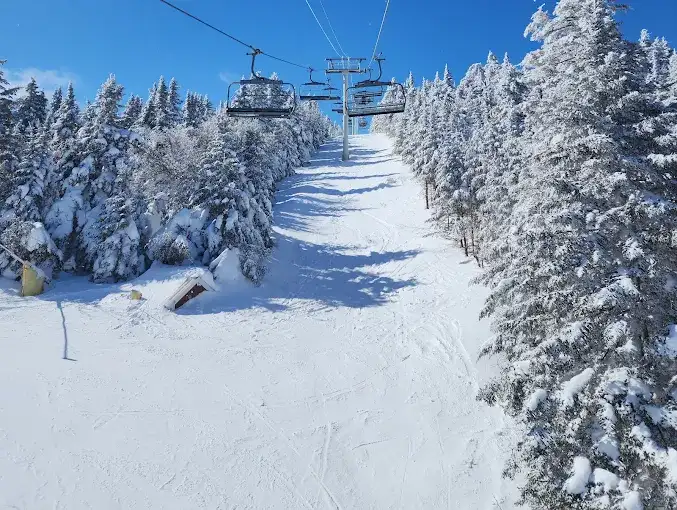
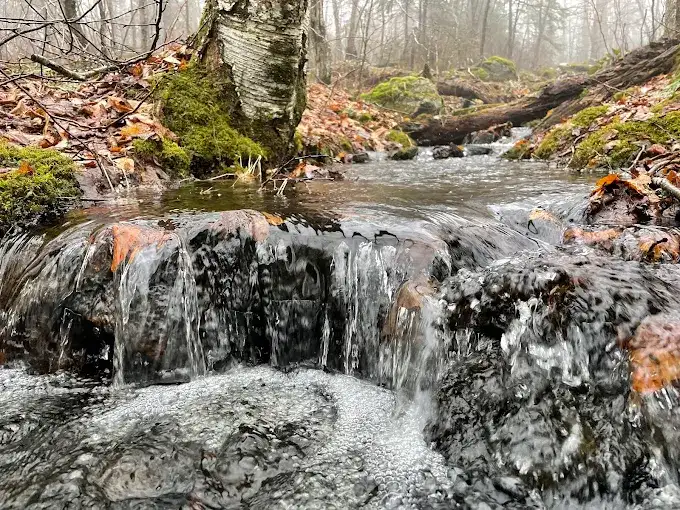
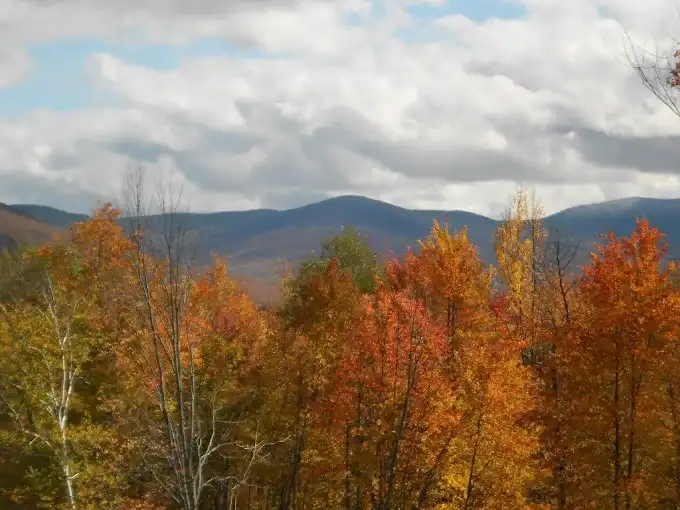
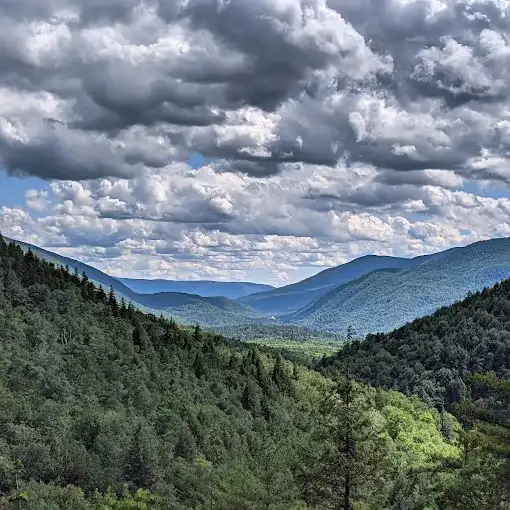
Green Mountain National Forest Vermont USA Gallery
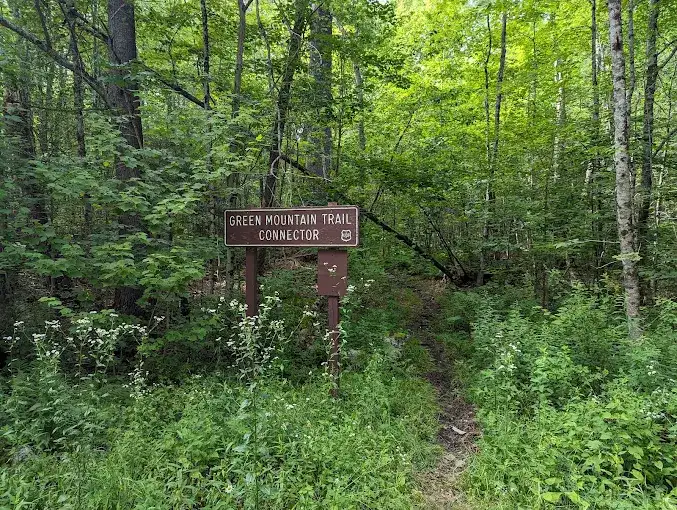
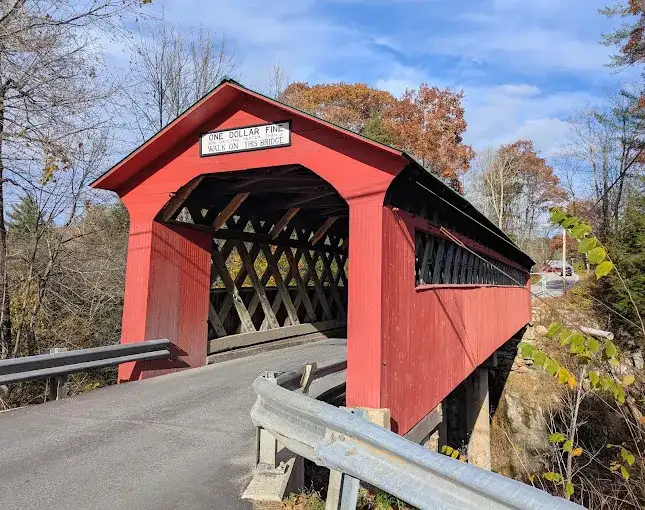
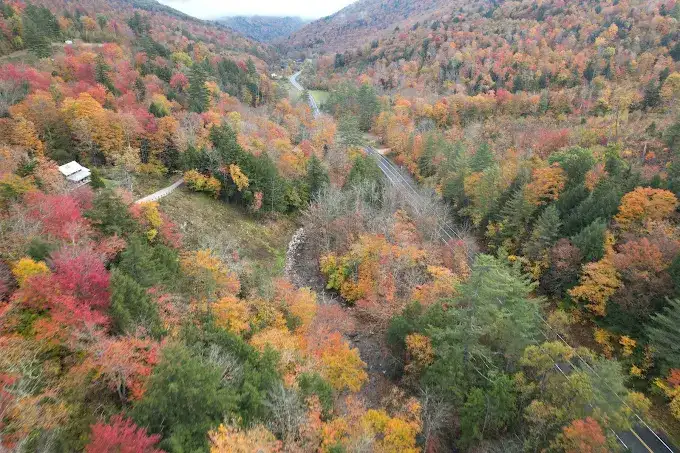
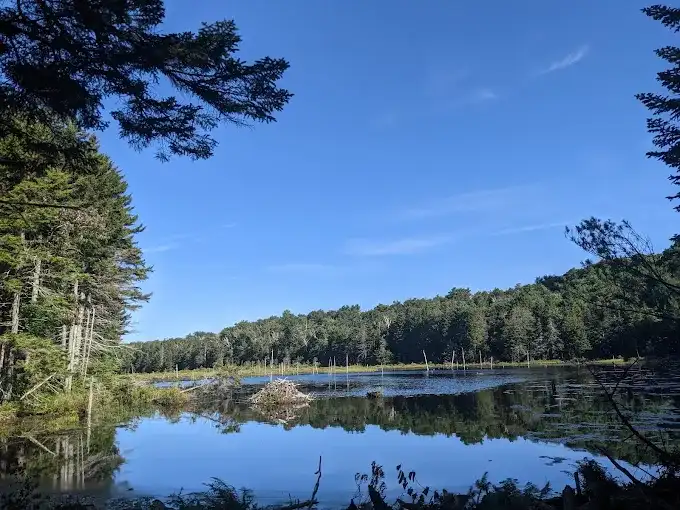
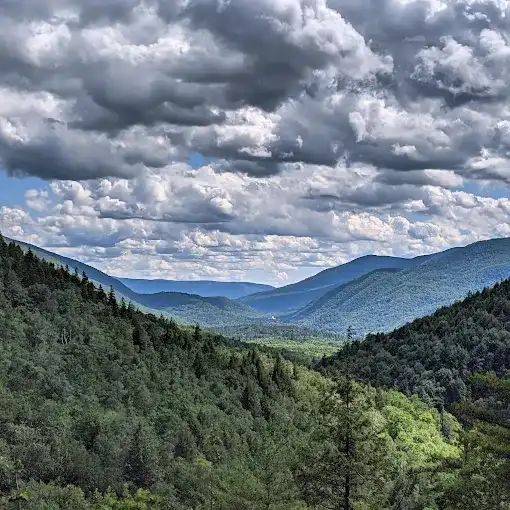
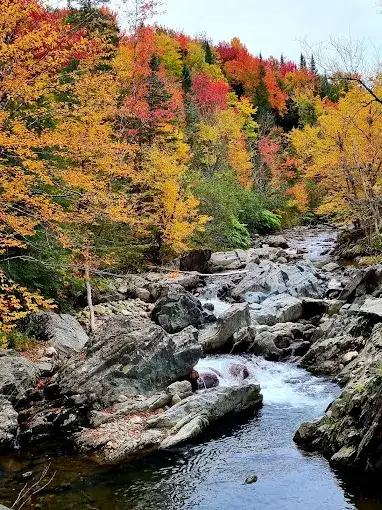
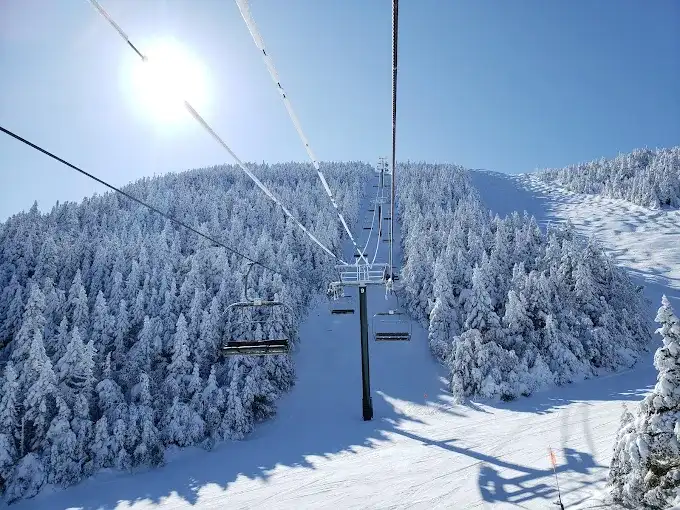
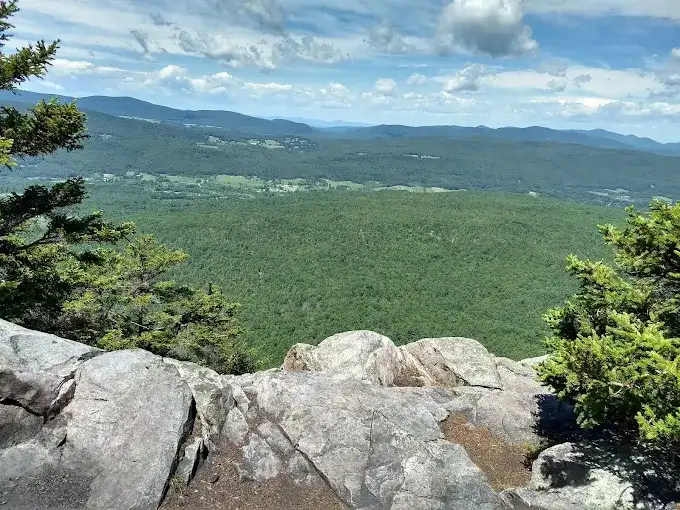
Where is Green Mountain National Forest Located?
Green Mountain National Forest is located in Vermont, USA, mainly across the central and southern parts of the state. It follows much of the Green Mountains and sits near towns like Rutland, Manchester, and Rochester. If you search for a green mountain national forest map, this is the region you want to focus on.
Map of Green Mountain National Forest Vermont USA
A map of green mountain national forest vermont usa shows a long, stretched forest area rather than one compact block. It runs through the mountain spine of Vermont and covers many trailheads, scenic roads, and recreation sites.
The forest reaches from the Massachusetts border northward through much of the Green Mountain range. Because of that shape, the best way to explore it is to choose one area at a time instead of trying to cover everything in one day.
When you look at a green mountain national forest trail map or a map of green mountains vermont, pay attention to:
- Trailheads
- Campgrounds
- Water crossings
- Elevation changes
- Road access points
- Seasonal road closures
That matters because some parts of the forest are easy to reach by car, while others need a longer hike or a rougher forest road.
Practical tip: Download an offline map before you go. Cell service can be weak in some valleys and trail areas, so a paper map or offline GPS app is smart.
Nearby Cities and Towns (Rutland, Manchester, Rochester)
If you want to use towns as your base, these are some of the most helpful ones:
Rutland
- One of the biggest nearby cities
- Good for hotels, groceries, and gas
- A practical base for western parts of the forest
Manchester
- A popular Vermont town with shops, food, and lodging
- Good for visitors who want a nicer travel base
- Close to scenic drives and mountain access
Rochester
- Smaller and quieter
- Good for visitors who want a more local, less busy feel
- Often used for access to central forest areas
These towns matter because Green Mountain National Forest is spread out. Staying near one area can save you a lot of driving time.
How to Get to Green Mountain National Forest
The easiest way to reach the forest is by car. Vermont is a road trip state, and this forest is best explored that way.
Common access routes include:
- Route 7
- Route 4
- Route 100
- Local mountain roads and forest access roads
If you are coming from nearby cities:
- From Burlington, expect a longer drive south
- From Albany, the southern access points may be easier
- From Boston, it works well as a weekend nature trip
- From Hartford or other southern New England cities, the forest is a solid outdoor escape
For the best experience:
- Check weather before you leave
- Look up trailhead parking
- Fill your gas tank early
- Bring offline directions
- Watch for unpaved roads near trail and camping areas
If your goal is a quiet mountain day, this forest is easy to reach once you know which entrance or trail area you want.
17 Best Things to Do in Green Mountain National Forest Vermont USA
Green Mountain National Forest gives you a lot of choices, but some experiences stand out more than others. If you only have a short trip, start with these.
Hike the Long Trail
The Long Trail is the classic hike in Green Mountain National Forest Vermont USA. It is the oldest long-distance hiking trail in the United States, and it runs through the spine of Vermont.
Why hikers love it:
- It gives you true mountain hiking
- You get wide forest views and ridge walks
- It connects to many shorter trail options
- It feels wild without being too far from towns
You do not need to hike the full trail to enjoy it. Even a short section gives you a real Vermont backcountry feel. The trail can be steep and rocky in places, so wear proper shoes and bring water. If you only do one big hike here, this is one of the best choices.
Explore the Appalachian Trail
A section of the Appalachian Trail also passes through the forest. This makes the area even more important for long-distance hikers and day hikers alike.
The Appalachian Trail is a great option if you want:
- A famous hiking route
- Well-known trail markers
- Forest scenery with mountain climbs
- A taste of the larger eastern hiking network
What makes this trail special in Vermont is the scenery. The views often feel deep and green in summer, then bright and colorful in fall. The terrain can be tough, but that is part of the reward. Even if you are not thru-hiking, walking a section of the Appalachian Trail is a memorable thing to do in the forest.
Visit Lye Brook Falls
Lye Brook Falls is one of the most popular waterfall hikes in the forest. The trail is a great pick if you want a hike that ends with a clear reward.
Why this stop is worth it:
- The waterfall is impressive after rain or snowmelt
- The trail gives you a good mix of forest and stream views
- It is a strong choice for photographers
- It feels like a classic Vermont waterfall hike
The trail is not just about the waterfall. The walk itself is part of the fun. You pass through thick woods and quiet natural areas that make the whole trip feel peaceful. If you enjoy scenic hiking with a goal at the end, Lye Brook Falls is a strong choice.
Swim at Warren Falls
Warren Falls is a favorite warm-weather stop for people who want to cool off in a natural setting. It is well known for swimming holes and a beautiful gorge-like look.
This is a good stop if you want:
- Cold water on a hot day
- A place to relax after hiking
- A fun summer photo spot
- A more casual outdoor stop
Be careful here. Rocks near waterfalls can be slippery, and water levels can change fast after rain. Swim only where it is safe, and never ignore posted warnings or local advice. Warren Falls is best for people who want a short stop that feels refreshing and scenic.
Walk the Robert Frost Interpretive Trail
If you want a quieter, easier outdoor experience, the Robert Frost Interpretive Trail is a smart choice. It combines nature with poetry, which gives it a different feel from the harder mountain hikes.
What makes it special:
- It is family-friendly
- It is easy to walk at a slower pace
- It has educational signs and poetry references
- It adds a cultural side to your forest trip
This trail works well if not everyone in your group wants a long hike. It also shows how Green Mountain National Forest is more than just wilderness. It connects nature, history, and Vermont culture in one simple walk.
Drive Vermont Route 100 Scenic Highway
Vermont Route 100 is one of the best scenic drives near the forest. It is famous for mountain views, small towns, rivers, and fall colors.
Why people love this drive:
- It gives you a broad look at Vermont’s mountain country
- It connects many outdoor stops
- It is especially beautiful in autumn
- It works well for a relaxed road trip day
If you want a good first impression of the region, this drive is a great start. You can use it to reach trails, campgrounds, and small towns, or simply enjoy the scenery from the car. For many visitors, Route 100 is one of the most memorable parts of the trip.
Camp at Hapgood Pond Recreation Area
Hapgood Pond Recreation Area is a popular place to camp in Green Mountain National Forest. It gives you a more developed camping experience, which is helpful if you want comfort without losing the forest feel.
This campground is a good fit for:
- Families
- First-time forest campers
- Visitors who want lake or pond access
- Travelers who want a simpler setup
Camping here helps you slow down. You can enjoy a quiet evening, hear the forest sounds, and wake up close to your next hike. If you are new to camping in Vermont, a developed spot like this is often the easiest place to begin.
Camp at Grout Pond Recreation Area
Grout Pond Recreation Area is another strong camping choice. It is known for natural beauty, peaceful water views, and a more remote feel than some other spots.
Why it stands out:
- It feels quiet and scenic
- It is great for people who like a more rustic camping style
- It works well for paddling, fishing, and slow outdoor days
- It gives you a real forest camping experience
If you want a trip that feels a little more off the beaten path, Grout Pond is a very good pick. It is the kind of place where you can spend time relaxing instead of rushing from one attraction to the next.
Go Wildlife Watching
Wildlife watching is one of the most exciting things to do in Green Mountain National Forest Vermont USA. The forest supports a healthy mix of animals because it has deep woods, streams, open edges, and less disturbed habitat.
The most common animals people hope to see include:
- Moose
- Black bears
- White-tailed deer
- Coyotes
- Beavers
- Wild turkeys
- Songbirds and raptors
The best thing about wildlife watching here is that it feels natural, not staged. You may spot animals early in the morning, near water, or in quiet areas with less traffic. Moose often stay near wet lowland areas, while deer and birds are easier to see in many parts of the forest.
A few smart tips:
- Stay quiet
- Keep a safe distance
- Never feed animals
- Use binoculars if you have them
- Watch the road carefully at dawn and dusk
If you are hoping for a true Vermont wilderness feel, wildlife watching adds a lot to the trip. It reminds you that this is a living forest, not just a hiking area.
Enjoy Fall Foliage Views
Fall foliage is one of the biggest reasons people visit this forest. In the right season, the hills turn into a mix of red, orange, yellow, and gold. That is why green mountain national forest vermont shows up so often in autumn travel searches.
Why the foliage is so good here:
- Vermont has lots of hardwood trees
- The mountain setting gives strong color contrast
- Scenic roads make it easy to view the leaves
- Trails and overlooks give high vantage points
If you want the best leaf-viewing experience, plan ahead. Peak colors usually happen in early to mid autumn, but the exact timing changes each year. Higher elevations can turn earlier than lower valleys, so even a short drive can show different color stages.
This is one of those places where just being there matters. You do not need a long hike to enjoy the scenery. A quiet road pull-off, a lake, or a trailhead can give you a beautiful view.
Ski at Killington Ski Resort
Killington Ski Resort sits near the forest and is one of the biggest winter attractions in the region. While it is not inside the national forest itself, it is strongly connected to the Green Mountain outdoor experience.
People visit Killington for:
- Downhill skiing
- Snowboarding
- Winter lodging
- Après-ski food and drinks
- Easy access to nearby mountain country
This is a great winter choice if you want a trip that mixes forest scenery with resort comfort. It gives you a very different experience from summer hiking. In winter, the whole region feels calmer, colder, and more focused on snow travel.
If you are visiting Green Mountain National Forest in winter, Killington can be a strong base for your trip.
Ski at Mount Snow
Mount Snow is another major winter destination close to the forest. It is well known for skiing and snow sports, and it gives visitors another way to enjoy the Green Mountains in cold weather.
This stop is useful if you want:
- Groomed slopes
- Snowboarding
- Family winter fun
- A winter resort experience near forest land
A lot of people think of Vermont as a summer or fall destination, but winter is a big part of the region too. Skiing at Mount Snow gives you a good reason to visit even after the hiking season ends.
Visit Thundering Brook Falls
Thundering Brook Falls is one of the easier waterfall stops to enjoy if you want a short scenic outing. It is a great place for travelers who want beauty without a long or hard hike.
Why this waterfall stands out:
- It is easy to enjoy in a short amount of time
- It offers a strong nature payoff
- It works well for families
- It is a good photo stop
Waterfalls in Vermont often feel best after rain or during spring snowmelt, when the water flow is stronger. Thundering Brook Falls gives you that classic moving-water sound and a peaceful forest setting.
If you are building a list of things to do in green mountain national forest vermont usa, this one deserves a spot.
Explore Equinox Pond
Equinox Pond is a quieter nature stop that appeals to people who like calm water views and peaceful surroundings. It is not as dramatic as a big waterfall, but that is what makes it special.
This is a good place for:
- Slow walks
- Nature photography
- Birdwatching
- A rest stop during a longer forest trip
Small ponds like this add balance to a forest trip. Not every stop needs to be a long hike or a major attraction. Sometimes the most memorable moments come from sitting near still water and listening to the woods.
Try Backcountry Hiking Adventures
If you want a more challenging and remote experience, backcountry hiking in Green Mountain National Forest is a great choice. This is where the forest starts to feel truly wild.
Backcountry hiking is different because:
- Trails may be less crowded
- Elevation changes can be more demanding
- You need better planning
- Weather matters more
This kind of hiking is best for visitors who already feel comfortable on trails. You should carry enough water, know your route, and bring a backup navigation tool. Cell service is not something you should rely on in remote areas.
The reward is worth it. Backcountry hikes can give you quiet ridges, untouched views, and a stronger sense of being deep in nature.
Go Fishing in Forest Streams
Fishing is another relaxing way to enjoy the forest. Streams, ponds, and nearby waters give anglers a chance to slow down and spend time outdoors in a different way.
Fishing works well here because:
- The forest has clean, natural water areas
- Some places feel quiet and less crowded
- You can combine fishing with camping or hiking
- It gives the trip a slower pace
If you plan to fish, check local rules, seasons, and permits before you go. Regulations can change by location and water type. That is why a little research goes a long way.
Fishing is a good choice if not everyone in your group wants a hike. It also works well for longer stays in the forest.
Capture Nature Photography
Green Mountain National Forest is a strong place for photography. You get mountain views, forest textures, waterfalls, wildlife, camp scenes, and seasonal color changes all in one region.
Best photo subjects include:
- Fall leaves
- Waterfalls
- Sunrise and sunset light
- Trail scenes
- Wildlife
- Snowy winter landscapes
- Reflections on ponds and streams
If you want better photos, plan your timing well. Early morning and late afternoon often give the best light. After rain, waterfalls and forests can look even richer and more dramatic. In autumn, the color contrast can make almost any angle look good.
For many travelers, the forest is as much about seeing as it is about doing. That is why nature photography is one of the best ways to remember the trip.
Explore Green Mountain National Forest Trails
The trail network is one of the biggest reasons people search for green mountain national forest trails. There are famous long-distance routes, shorter day hikes, waterfall trails, and family-friendly walks. If you like hiking, this is where the forest really shines.
Long Trail (Oldest Hiking Trail in the USA)
The Long Trail is one of the most important hiking routes in Vermont and a major reason the forest is so well known. It stretches for a long distance along the Green Mountains and gives hikers a true ridge-country experience.
Why the Long Trail matters:
- It is the oldest long-distance hiking trail in the United States
- It offers strong mountain scenery
- It connects many sections of the Green Mountains
- It overlaps with part of the Appalachian Trail
The trail is well loved because it feels historic and wild at the same time. Hikers use it for short sections, day hikes, and long trips. It is not always easy, though. Some sections are steep, rocky, and wet, so you should wear proper shoes and be ready for changing conditions.
If you want the classic hiking identity of the forest, start with the Long Trail.
Appalachian Trail Section in Vermont
The Appalachian Trail also runs through parts of the forest. That makes Green Mountain National Forest important not just to Vermont hikers, but to long-distance hikers from all over the country.
This section of the trail is known for:
- Mountain climbs
- Deep woods
- Changing weather
- Quiet wilderness sections
Hiking even a small section gives you a taste of one of America’s most famous trails. You do not need to be a thru-hiker to enjoy it. Day hikers can still experience the trail atmosphere, trail markers, and mountain terrain.
This is a great option if you want a bigger hiking story to tell when you get home.
Best Beginner-Friendly Trails
Not every trail in the forest is hard. There are also easier options for beginners, families, and casual walkers. These trails are important because they make the forest more open to all kinds of visitors.
Good beginner-friendly trail traits:
- Shorter distance
- Lower elevation gain
- Clear trail markers
- Easy access from parking areas
- Family-friendly scenery
Some easier trails lead to ponds, interpretive areas, or smaller waterfalls. These are ideal if you want a relaxed outing without the pressure of a hard climb. They are also a smart choice if you are visiting with kids, older adults, or first-time hikers.
If you only have one afternoon, a beginner trail is a good way to enjoy the forest without overplanning.
Trail Maps and Navigation Tips
A green mountain national forest trail map is one of the most useful tools you can bring. The forest is large, and trail systems can overlap or branch in ways that confuse first-time visitors.
Navigation tips:
- Download offline maps before you leave
- Carry a paper backup if possible
- Check trail distances and elevation gain
- Do not rely only on cell service
- Read trail signs carefully at junctions
Trail maps matter because hiking here can feel simple at the start, then more complex once you are deeper in the woods. A map helps you understand where you are, how far you still need to go, and where you can safely turn back.
Green Mountain National Forest Camping Guide
Camping is one of the best ways to experience Green Mountain National Forest because it lets you slow down and spend more time in nature. If you are searching for green mountain national forest camping, this section will help you plan a better trip.
Developed Campgrounds in the Forest
Developed campgrounds are a good choice if you want basic comfort and easier access. They often include:
- Campsites
- Picnic tables
- Fire rings
- Restrooms
- Parking access
- Sometimes water or other shared facilities
These campgrounds are great for families, first-time campers, and anyone who wants a more organized setup. You still get the forest experience, but with less stress.
If you are new to camping in Vermont, start with a developed site before trying a more remote one.
Backcountry Camping Rules and Tips
Backcountry camping is for people who want a quieter and more remote experience. It can be rewarding, but it requires more care.
Important tips:
- Follow all local camping rules
- Camp only in allowed areas
- Pack out all trash
- Keep food stored safely
- Be ready for weather changes
- Bring a map and compass or GPS backup
Backcountry camping works best when you know how to travel light and stay organized. The forest can be beautiful and peaceful, but that does not mean it is easy. Good preparation matters.
Reservation Process and Fees
Some sites in and around the forest use a reservation system, while others are first-come, first-served. This is why you should check site details before your trip.
What to look for:
- Reservation requirements
- Seasonal opening dates
- Fees
- Pet rules
- Fire restrictions
If you are planning a busy fall weekend or holiday trip, book early. Vermont is a popular destination, and camping spots can fill up fast during peak season.
Best Camping Spots in GMNF
A few popular camping areas include:
- Hapgood Pond Recreation Area
- Grout Pond Recreation Area
- Other developed or primitive sites depending on your route
The best spot depends on the kind of trip you want:
- For families and comfort, choose a developed campground
- For quiet and scenery, choose a more rustic area
- For hiking access, pick a site near your trail route
Camping in Green Mountain National Forest works best when you match the campground to your style.
Wildlife in Green Mountain National Forest
Wildlife is one of the strongest reasons to visit the forest. The mix of woods, water, and elevation gives many animals a place to live. If you are searching for green mountain national forest wildlife, here is what you should know.
Moose in Green Mountain National Forest
Yes, there can be moose in Green Mountain National Forest. They are not easy to spot every time, but they do live in parts of Vermont’s wild areas.
Why moose like this region:
- Wet areas give them food and cover
- Forest edges help them move safely
- Quiet zones reduce human pressure
If you hope to see one, look near marshy areas, ponds, or roadside wetlands, especially during early morning or evening hours. Keep your distance if you do see one. Moose are huge animals, and they can become dangerous if stressed.
Black Bears and Safety Tips
Yes, black bears live in the forest. That does not mean danger is everywhere, but it does mean you should be smart with food and trash.
Bear safety tips:
- Do not leave food out
- Store food in sealed containers
- Keep your campsite clean
- Never feed wildlife
- Make noise when hiking in dense areas
Black bears usually avoid people when they can. Most problems happen when humans leave food unsecured. If you stay alert and follow basic safety rules, bear country can still be a safe and enjoyable place to visit.
Other Animals (Deer, Coyotes, Birds)
The forest also has many other animals, including:
- White-tailed deer
- Coyotes
- Beavers
- Ruffed grouse
- Songbirds
- Hawks and owls
These animals are easier to spot than moose in many cases. Deer may appear near roads or open edges, while birds are often heard before they are seen. Beavers tend to stay near water and can be fun to watch if you find a calm wetland area.
Best Areas for Wildlife Spotting
Wildlife sightings are more likely in:
- Quiet roads
- Wetland areas
- Forest edges
- Dusk and dawn
- Less crowded trail zones
The biggest tip is patience. Wildlife watching is not about rushing from one place to another. It is about slowing down and paying attention to movement, sound, and signs in the woods.
History of Green Mountain National Forest
The history of Green Mountain National Forest gives the place more meaning. It is not just a pretty landscape. It also carries layers of human use, settlement, and conservation.
Early Native American Presence
Long before the forest became protected land, Native American communities lived, traveled, and used the region. The mountains, rivers, and valleys were part of seasonal movement, hunting, and trade.
This matters because the land has a history that goes far beyond modern recreation. When you walk a trail or look at an old forested ridge, you are moving through a landscape that has been important for a very long time.
Colonial Settlement and Logging Era
Later, European settlers changed the land through farming, logging, and development. Like much of New England, Vermont saw heavy land use over time.
Some areas that now feel deeply natural were once:
- Farm fields
- Logged land
- Settled homesteads
- Working forest areas
This is one reason the region’s conservation story is important. The current forest is part of a recovery story, where land that had been used hard was protected and allowed to grow back.
Establishment of the National Forest
Green Mountain National Forest was created to protect land, support public recreation, and help manage natural resources. Over time, it became a major outdoor destination for Vermont and the surrounding region.
The national forest designation changed the future of the land by:
- Protecting major forest areas
- Creating public access
- Supporting hiking and camping
- Helping preserve wildlife habitat
That is why the forest feels both historic and active. It is a working example of conservation and public use together.
Conservation and Modern Management
Today, the forest is managed to balance:
- Recreation
- Wildlife protection
- Road access
- Timber and land management
- Fire safety
- Historic site protection
This balance is what makes the forest different from a more controlled attraction. It is a living landscape with many jobs. The US Forest Service has to keep it open, safe, and healthy at the same time.
Geography and Landscape of Green Mountain National Forest
The geography of the forest is a big part of why it feels so beautiful. If you searched for green mountain national forest geography, you likely want to understand the land itself, not just the activities.
Green Mountains Range Overview
The forest follows much of the Green Mountains, which are the backbone of the region. The mountains shape the forest’s ridges, valleys, and trail routes.
What this means for visitors:
- Lots of elevation change
- Scenic overlooks
- Deep wooded valleys
- Cooler temperatures in higher areas
The land can feel rugged in some places and gentle in others. That mix is one reason hikers and road travelers both enjoy the area.
Forest Types (Deciduous & Coniferous)
The forest includes both deciduous and coniferous trees.
That gives you:
- Bright fall colors from hardwoods
- Evergreens for winter contrast
- A layered forest look all year
- A richer wildlife habitat
This mix is part of why the forest changes so much through the seasons. In summer, it feels thick and green. In fall, it bursts with color. In winter, the evergreen trees stand out against snow.
Rivers, Waterfalls, and Natural Features
The forest is also shaped by water. Streams, ponds, and falls add life and movement to the landscape.
Natural features include:
- Waterfalls
- Small ponds
- Cold streams
- Wetlands
- Rocky slopes
These features make the forest more than a hiking destination. They create places to stop, photograph, relax, and observe nature. Water also supports fish, birds, and larger wildlife.
Best Time to Visit Green Mountain National Forest Vermont
The best time to visit depends on what you want to do. The forest works in every season, but each one gives you a different experience.
Fall Foliage Season (Peak Tourism)
Fall is the most famous time to visit. This is when green mountain national forest photos often look the most dramatic.
Why fall is so popular:
- Peak leaf color
- Comfortable hiking weather
- Beautiful scenic drives
- Strong photography conditions
If you want the classic Vermont experience, this is the season to choose. Just know that it is also the busiest time. Book lodging and camping early if you can.
Summer Hiking and Camping Season
Summer is great for:
- Long hikes
- Camping
- Fishing
- Waterfall visits
- Road trips through the forest
The weather is warmer, the trails are more accessible, and the days are long. This is a very good time for first-time visitors because planning is simpler and most outdoor activities are available.
Winter Skiing and Snow Activities
Winter gives the region a different personality. If you like snow sports, this can be a great time to visit.
Winter activities include:
- Skiing
- Snowboarding
- Snowshoeing
- Winter photography
- Cozy mountain town stays
Just remember that road and trail conditions can be much harder in winter. You need more flexibility and better gear.
Spring Mud Season Explained
Spring is known for mud season in Vermont. This is an important planning issue because it can affect trails and roads.
What mud season means:
- Trails may be soft or muddy
- Some roads can be rough
- Hiking becomes less predictable
- Conditions can change fast
This does not mean you should never visit in spring. It just means you need to be more careful. If you want easier access, summer and fall are usually better choices.
Green Mountain National Forest Map and Navigation
A good green mountain national forest map is one of the most important tools for a smooth trip. Because the forest is large and spread out, navigation matters.
Trail Maps and Hiking Routes
Use a green mountain national forest trail map to find:
- Trailheads
- Route lengths
- Elevation gain
- Water crossings
- Camp areas
- Junctions
A map helps you avoid getting turned around, especially on longer hikes. Even short trails can feel confusing if signs are limited or if the weather changes.
Scenic Drives and Road Access
When people search for a map of green mountains vermont, they are often trying to find the best roads too. Scenic drives are part of the forest experience.
Important road tips:
- Some roads are paved, some are not
- Seasonal closures can happen
- Weather can affect mountain roads quickly
- Some trailheads are easier to reach than others
If you want a relaxed trip, plan your drive first, then choose hikes or stops along the route.
GPS and Offline Navigation Tips
Do not depend only on phone signal. Some parts of the forest have weak service.
Use these tools:
- Offline maps
- Saved directions
- Printed trail maps
- GPS apps with downloaded routes
This is especially important if you are hiking, camping, or exploring less developed areas. Good navigation is part of staying safe.
Can You Drive Through Green Mountain National Forest?
Yes, you can drive through parts of Green Mountain National Forest, but not every section is set up like a highway. Many roads run near or through the forest, and several scenic drives make it easy to see the landscape from the car.
Scenic Driving Routes
The best driving experiences include:
- Vermont Route 100
- Access roads near trailheads and campgrounds
- Mountain roads with valley views
- Routes that connect nearby towns and recreation areas
Driving is a great option if you want to see the forest without doing a full hike. It is also the easiest way to connect multiple stops in one day.
Road Conditions and Seasonal Closures
Road conditions can change depending on:
- Snow
- Ice
- Heavy rain
- Mud season
- Maintenance work
Some roads may be rough, narrow, or closed at certain times. That is why checking current conditions before your trip matters. A scenic forest drive is great, but only if you know what the roads look like that day.
Is Green Mountain National Forest Worth Visiting?
Yes, Green Mountain National Forest is absolutely worth visiting if you like nature, hiking, camping, wildlife, or scenic drives. It is one of the best outdoor places in Vermont because it gives you a lot of variety in one region.
Top Reasons to Visit
People come here because:
- The hiking is strong
- The fall colors are excellent
- Camping options are solid
- Wildlife is active
- The forest feels authentic and scenic
- Nearby towns make trip planning easier
It also works well for different travel styles. You can make it a fast day trip, a weekend getaway, or a longer outdoor vacation.
Who Should Visit This Forest
This forest is a great fit for:
- Hikers
- Campers
- Road trippers
- Photographers
- Families who enjoy nature
- Wildlife watchers
- Winter sports travelers
If you want a place that feels less crowded than a major city attraction and more real than a roadside stop, this is a strong choice.
Frequently Asked Questions
Is Green Mountain National Forest free to visit?
Yes, much of Green Mountain National Forest is free to visit. You can usually enter, hike, and explore without a general admission fee. However, some campgrounds, reserved sites, parking areas, or special recreation services may charge fees. Always check the exact site before you go.
Are there moose in Green Mountain National Forest?
Yes, moose do live in and around Green Mountain National Forest. They are not easy to spot every time, but the forest has the right habitat for them. Look near wetlands, ponds, and quiet low areas, especially early in the morning or near dusk.
Are there bears in the Green Mountain National Forest?
Yes, black bears live in the forest. They usually avoid people, but you should still store food properly and keep campsites clean. Never feed a bear or leave food outside. Most bear problems happen when people leave food accessible.
What is the best month to visit Vermont?
September and October are often the best months to visit Vermont if you want fall colors, cool weather, and scenic drives. For hiking and camping, late spring through early fall is also excellent. The best month depends on whether you want leaves, warm weather, or snow.
What is Vermont famous for?
Vermont is famous for fall foliage, mountains, maple syrup, small towns, skiing, and outdoor travel. Green Mountain National Forest fits that image very well because it gives you a strong mix of all those things in one place.
Can you drive through the forest?
Yes, you can drive through parts of Green Mountain National Forest. Scenic roads like Route 100 and other access roads let you see the landscape by car. Still, some roads are narrow or seasonal, so check conditions first.
What is the number one tourist attraction in Vermont?
That depends on the type of traveler, but fall foliage, ski areas, and scenic mountain regions are among the biggest draws. For outdoor travelers, Green Mountain National Forest is one of the top places to visit because it combines hiking, camping, and scenery in one destination.
What are must-see places near Green Mountain National Forest?
Some must-see places near the forest include:
- Lye Brook Falls
- Warren Falls
- Thundering Brook Falls
- Robert Frost Interpretive Trail
- Equinox Pond
- Route 100 scenic drive
- Nearby towns like Manchester and Rutland
These spots give you a good mix of nature, road trip views, and local Vermont character.
Final Thoughts
Green Mountain National Forest Vermont USA is one of the best outdoor destinations in New England. It gives you famous trails, scenic roads, wildlife, camping, waterfalls, and unforgettable fall views.
If you want a trip that feels active, peaceful, and real, this forest is a great choice. Start with a map, pick one area to focus on, and give yourself enough time to enjoy the landscape. That is the best way to see why so many visitors return again and again.